AI Phishing Scams: How to Protect Your Business in 2027
Fake "click here to win a prize" emails full of typos are no longer the main risk. With the rise of generative AI, phishing scams have become more sophisticated, personalized, and harder to spot — even for people who've been careful for years.
What changed with AI
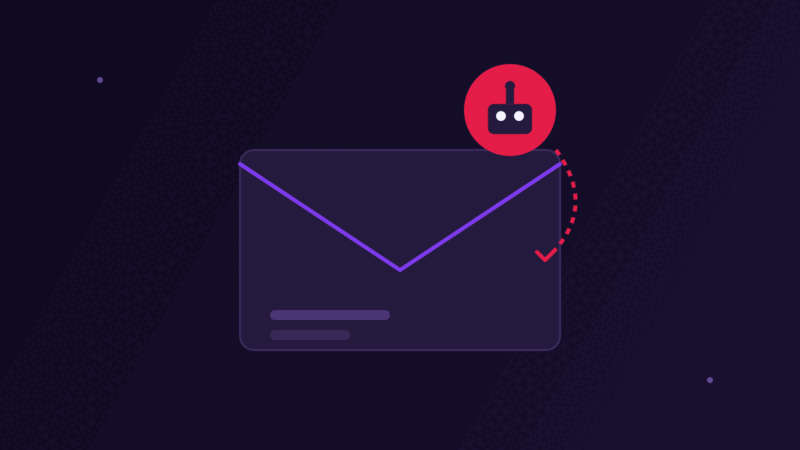
AI tools let criminals generate flawlessly written emails that mimic the exact tone of a supplier, a bank, or even a coworker. Using public data (LinkedIn, a company website, social media), it's now possible to craft highly personalized messages — so-called "spear phishing" attacks — referencing real names, ongoing projects, and internal details that make the scam far more credible.
The most common targets inside companies
- Finance department: emails impersonating the CEO or a supplier requesting an urgent wire transfer.
- HR: messages asking to update an "employee's" banking details, actually rerouting their salary payment.
- Any employee: fake login links that capture corporate passwords on pages cloned to look almost identical to the real thing.
How to protect your business in practice
- Use professional email with strong spam filters — the first line of defense is never letting the suspicious message reach the inbox at all.
- Confirm through a different channel: any request for a transfer, bank detail change, or password reset should be confirmed by phone or in person, never based solely on the email that arrived.
- Turn on two-factor authentication on all important accounts — even if a password gets stolen, access stays blocked.
- Train your team regularly: a company's biggest vulnerability isn't technical, it's human. Periodic phishing simulations help keep everyone alert.
The role of your email infrastructure
Much of the protection starts before the scam ever reaches the inbox: correct SPF, DKIM, and DMARC settings on your domain make it much harder for criminals to spoof your sender address, making messages look like they came from your own company. A well-configured professional email provider is the foundation of any anti-phishing strategy.
The technology scammers use has evolved — your defenses need to evolve right alongside it.